

Why Choose Us
Advanced equipment
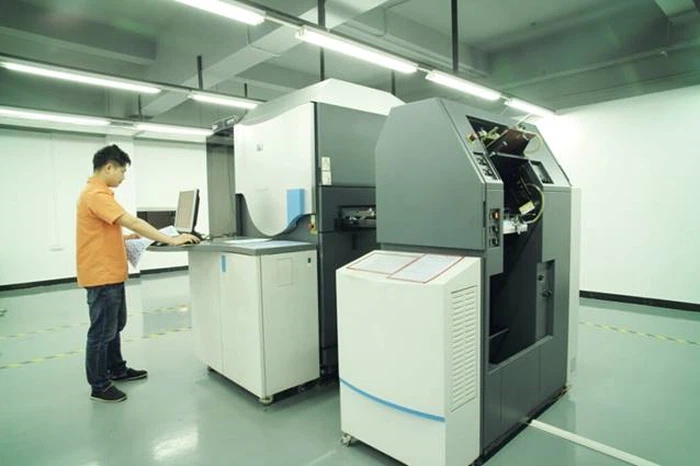
We own advanced digital printing machine and high speed printing 4 color machine, which meet every printing requirement.
Custom service
We provide solutions for individuals and organizations that require custom printed plastic cards for Gift, Loyalty, ID, Access, Product Info, Membership and anything else you can think of.
High quality
We produces the highest quality cards, made from durable PVC plastic. We ensure all your plastic cards look spectacular through many months of hard usage.
24H online service
All enquiry emails will be replied within 12hours. We work on holidays too, even Christmas. We will keep you posted by each stage of your order like: processing, ready to ship, shipping and package tracking service.


What is a Plastic Card
Plastic cards usually serve as identity documents, thus providing authentication. In combination with other assets that complement the data stored on the card, like PIN numbers, they also serve authorization purposes, most often as bank cards for allowing their holders to do financial transactions.
Benefits of Plastic Card
Design is the first thing most people would consider before anything else. Everyone wants something attractive for their business to have more customers flocking into their premises. This especially applies to business or company information cards. Plastic cards come in many different designs that are simple but attractive. Since plastic cards can be printed using different colours, it’s easier to build something customized around your business ideas.
Plastic cards are designed for a variety of uses. Since they’re durable and can be customized around different business needs and ideas, they can be useful in many different ways. Plastic cards easily interact with machines, and, as such, they form the best access cards.
Most plastic cards are made in such a way that they can be recycled. As such, we don’t need to worry about the degradation of the environment. Some PVC cards can also degrade once they come into contact with the soil for some time. Most businesses are turning to these eco-friendly recycled PVC cards to reduce pollution.
This mainly applies to debit or credit cards, whereby you take out cash using plastic cards. In a world where there’s an increased crime rate, plastic money is the best way to carry your money. Plastic cards are so convenient since they easily fit into your wallet, and even if your credit card gets lost, you can always call the bank to block it to protect your money. Additionally, plastic cards are waterproof, so even when your wallet gets soaked in water, you don’t have to panic. If you’ve not subscribed to plastic money yet, it’s high time you keep your cash safe in a plastic card.

Types of Plastic Card
PVC cards
PVC cards are the most important card material available under plastic cards. And PVC cards are one of the inexpensive plastic card materials available in the market. PVC cards are also known as blank cards. It produces a different variety of sizes and a variety of colors. It is made out of heating polyvinyl chloride at high temperatures. PVC cards are the most preferable material for ID cards, membership cards, and gift cards.
Composite PVC cards
Composite PVC cards are also known as PET cards. Composite PVC cards are made out of combined PVC and polyester. These cards are ideal for lamination. These composite cards are more durable, flexible, and have more life than PVC cards. It has high brittle strength compared to PVC cards. It is a standout material for payment cards and high-security access cards.
ABS cards
ABS cards stand for acrylonitrile butadiene styrene, which is the material that the cards are made from. This material is selected for its strength and resistance to weathering. ABS cards are also durable and resistant to scratches. ABS cards are made from recycled plastic and paper. This makes them environmentally friendly and a good choice for those looking for an earth-friendly card.
PETG cards
PETG cards are made of thermoplastic copolyester. These cards offer some advantages over traditional PVC cards, such as being more environmentally friendly and being able to be recycled. PETG cards are durable and resistant to scratches, making them a great choice for cards that will be used often.
Material of Plastic Card

Styrene card
Seen as a cheaper alternative to a PVC card, styrene cards are ideal for cards which needn’t require a long wallet life such as gift cards. Available in a multitude of sizes, including credit card size (2 1/8″ X 3 1/8″), they are rigid enough and light enough to be stored on your person. They can be used for any purpose if required and you also have the option to include a chip, barcoding and numbering – making them ideal for membership cards.
PVC card
PVC or 'polyvinyl chloride' is one of the best materials you could use when choosing a plastic card and although it may be a little more expensive than styrene, it is more flexible and durable. Although similar in appearance, that’s where the comparisons as PVC is superior in practically every conceivable area. This material is recommended for applications requiring personalisation and security such as ATM cards and membership cards.

What are the Applications of Plastic Card
Proximity cards:These cards identify and read tags without the need to be inserted into a reader. They are convenient and are less likely to be damaged, therefore, they require low maintenance. They are commonly used in access control for ID cards. The main differences between proximity cards and RFID cards include; the read range, operational frequencies, line of sight, read/write capabilities, and information stored.
Smart cards:These cards have two different types of interfaces; contactless and contact. Contact smart cards are inserted into a smart card reader making physical contact with the reader while contactless smart cards have an antenna embedded inside the card which enables communication with the reader without physical contact. Smart cards are used to control access as a security token. They enable authentication of users, secure login, storage of credentials, sensitive data encryption, and passwords.
Payment cards:These cards are electronically linked to an account or accounts belonging to the cardholder. The most common types of payment cards are prepaid cards, charge cards, credit cards, and debit cards. Financial institutions or banks issue these cards to customers to use as a means of transaction. These cards are used to make payments ensuring that the transactions are smooth and more convenient.
Pre-printed cards:These cards are ideal for your custom needs. They are an option ideal for membership cards and loyalty cards. They help keep the costs associated with printing down as they can also streamline your printing process. These cards are a great option for both large and small organizations.
Process of Plastic Card

The making of a PVC card consists of starting by cutting a sheet of PVC to the appropriate size. The color is then added to one side, and text, logos, or graphics are printed on the other. The cards are then run through an oven for 10-12 minutes at 350 degrees Fahrenheit. This helps seal in the color and ink, as well as cross-linking the plastic molecules together, which makes them more durable than regular plastic cards.

Printing PVC cards is a process that uses heat and pressure to create an image on a plastic substrate. The printing process begins with the transfer of the image file to the printer. The printer then prints the image onto a sheet of thermal paper. The thermal paper is then fed into the printer's laminating unit, where it is fused to the PVC card.

Once the card has been laminated, it is cut to size and punched with holes for use in a variety of applications. In addition to durability, this manufacturing process also creates a water-resistant finish that prevents liquids from seeping into the card's surface.

When it comes to printing, there are a few different ways that PVC cards can be printed. The most common way is using a digital printer. This type of printer prints the image directly onto the card surface. Some printers also use ribbons for printing and are typically used for printing higher volumes of cards.
What you should know when use Plastic Card
Store plastic cards Keep plastic cards in a clean, secure space. Avoid storing them loose in a drawer or purse.
Clean plastic card Clean your gift cards and credit cards regularly (or when they‘re dirty)
Gently wipe the card and magnetic stripe with a soft, damp towel
Remove build-up from the stripe with a pencil eraser.
Protect plastic cards Protect the magnetic stripe area—dirt and hard particles can scratch and damage the stripe.
Special Instructions If cleaning the card doesn't help try placing a piece of clear tape over the magnetic stripe before swiping.
Certifications

Our Factory
With a focus on providing high-quality PVC card products and services to customers across the globe, our range of products covers a wide spectrum of industries ranging from identity and transportation to smart key, smart charging, education, payment and customer loyalty.



FAQ
Q: What are the features of plastic cards?
Q: Are plastic cards durable?
Q: Are plastic cards better than paper?
Q: How are plastic cards printed?
Q: What are the advantages of plastic cards?
Q: What is plastic card also known as?
Q: How are plastic cards manufactured?
Q: What are the different types of plastic cards?
Q: What size is a plastic card?
Q: How do I protect my plastic card?
Q: What is reclaimed plastic card?
Q: What is the difference between PVC and plastic cards?
Q: How much does a plastic card weigh?
Q: Can I laminate a plastic card?
Q: What are plastic cards used for?
Q: What can damage a card?
Q: How do I protect my cards from damage?
Q: What is the conclusion of plastic cards?
Q: What are the examples of plastic cards?
Q: How can cards be demagnetized?
Shenzhen Razlon Technology Co., Ltd. is one of the most professional plastic card manufacturers and suppliers in China, specialized in providing high quality customized service. If you're going to buy or wholesale bulk plastic card in stock, welcome to get quotation and free sample from our factory. For price consultation, contact us.